Level 1 vs. Level 2 Chargers
Most EVs come with a Level 1 charger that plugs into a standard outlet, but it charges slowly — often overnight for a full charge. A Level 2 charger, which requires a dedicated 240-volt circuit, charges significantly faster and is the most popular choice for home installation.
Does Your Panel Have Capacity?
Before installing a Level 2 charger, it's important to check whether your electrical panel has enough capacity to handle the additional load. Older panels may need an upgrade first.
Choosing the Right Location
Consider where you typically park and how far that is from your electrical panel. Shorter wire runs are generally more cost-effective to install.
Permits and Code Requirements
EV charger installations typically require a permit and must meet local electrical code. A licensed electrician will handle this as part of the installation process.
Why Professional Installation Matters
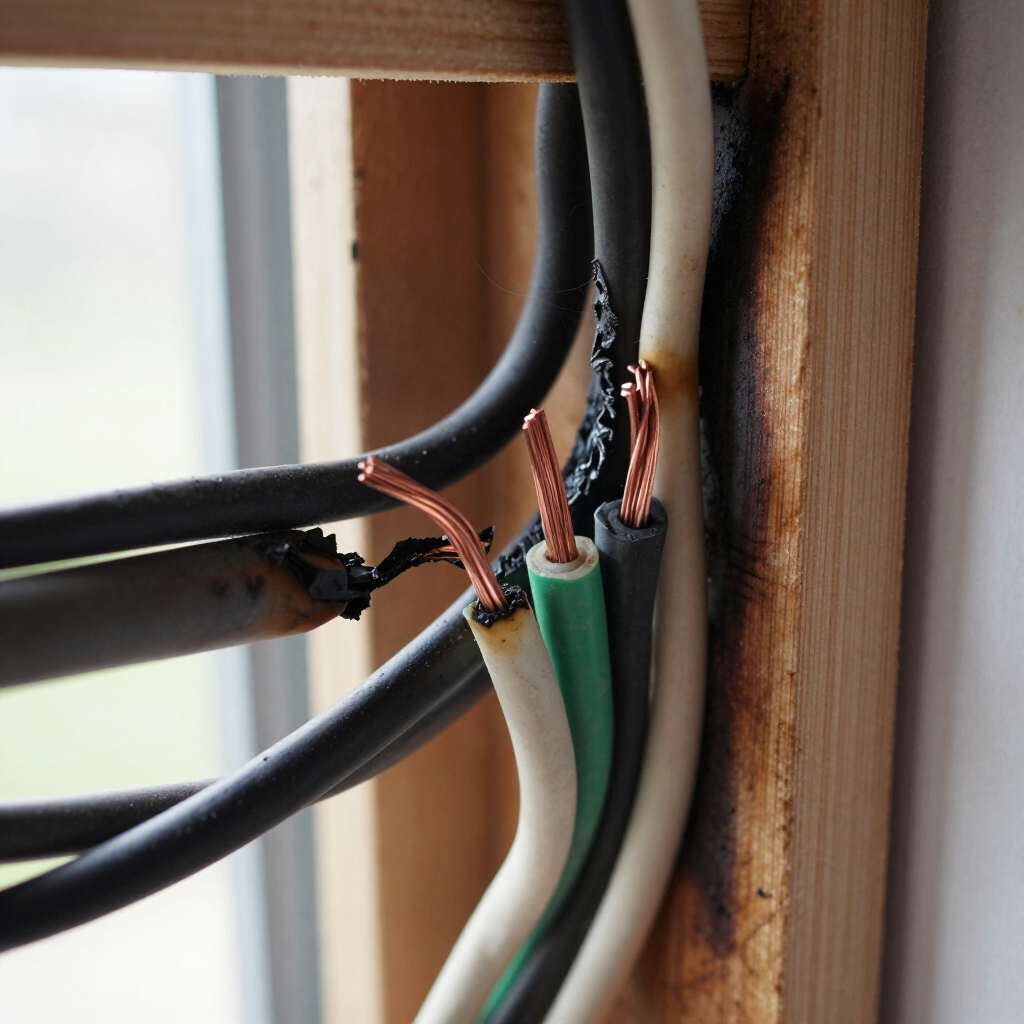
EV chargers draw a significant amount of power, and improper installation can pose safety risks. A licensed electrician ensures the job is done safely and up to code.
Ready to Charge at Home?
A home EV charger adds convenience and can save time compared to relying on public charging stations.
Considering a home charger installation?
Contact us to discuss the best option for your home and vehicle.